
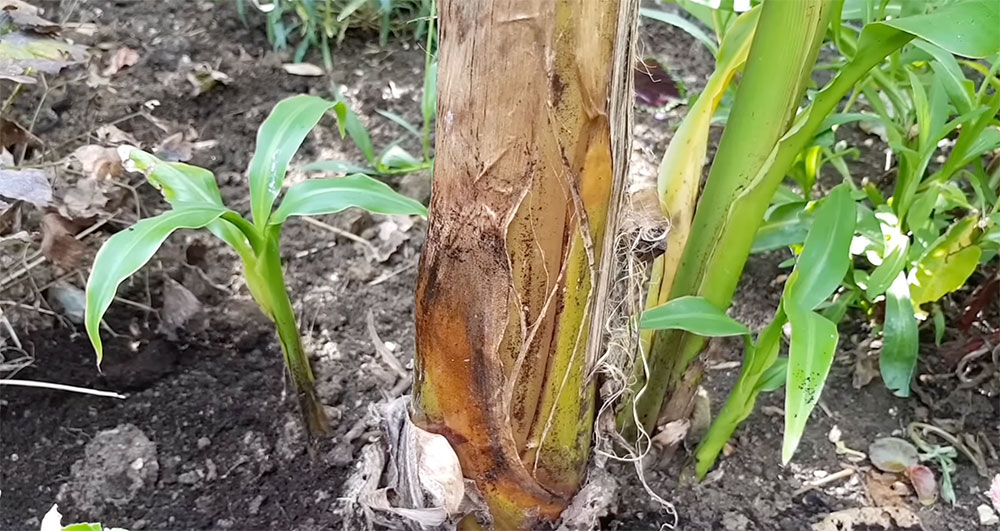
Banana plants make a fantastic addition to any garden, bringing a bold, tropical look that instantly transforms outdoor spaces. Many people think of bananas as purely tropical plants, but you might be surprised to know that some species are hardy enough to survive in colder climates. The Musa basjoo, for example, is one of the most cold-hardy bananas available. When well established and protected, it can tolerate temperatures as low as -10°C, making it a great choice for gardeners across the UK and similar temperate regions. What’s even more fascinating about banana plants is the way they reproduce. Unlike many plants that rely on seeds, bananas multiply themselves through a natural cloning process. Around the base of the main stem (known as the pseudostem), banana plants produce small offshoots called pups or suckers. These pups grow from the underground rhizome and can eventually be separated to create new, independent plants that are genetically identical to the parent. This guide will walk you through the process of dividing banana plant pups — including when to do it, what tools you’ll need, and how to care for your new banana plants afterwards.
When Should I Split My Banana Plants?
There are two main times of year that are ideal for dividing banana plants: spring and autumn. Each season has its advantages and a few challenges, so the right choice depends on your situation.
Dividing in Autumn
Dividing banana plants in autumn can be useful if your plants have produced several new pups over the summer. Lifting them before winter allows you to protect these young plants indoors or in a greenhouse, keeping them safe from frost. However, this approach comes with an extra responsibility — overwintering. Young banana pups are far more vulnerable to the cold than established plants. You’ll need to keep them in a frost-free environment such as a conservatory, heated greenhouse, or bright indoor space. During this time, growth will slow right down, and watering should be reduced to prevent rot.
Dividing in Spring
If you’d rather avoid overwintering, spring is an excellent alternative. Once the weather begins to warm up and there’s no longer a risk of frost, you can safely divide your banana plants. The pups will then enter a period of strong, active growth as summer approaches, allowing them to establish quickly. The main drawback is that smaller pups left in the ground over winter may not survive if conditions are particularly wet or cold. For this reason, some gardeners choose to dig up small offsets in autumn and keep them in pots indoors, replanting them outside in spring.
What You’ll Need to Separate Banana Pups
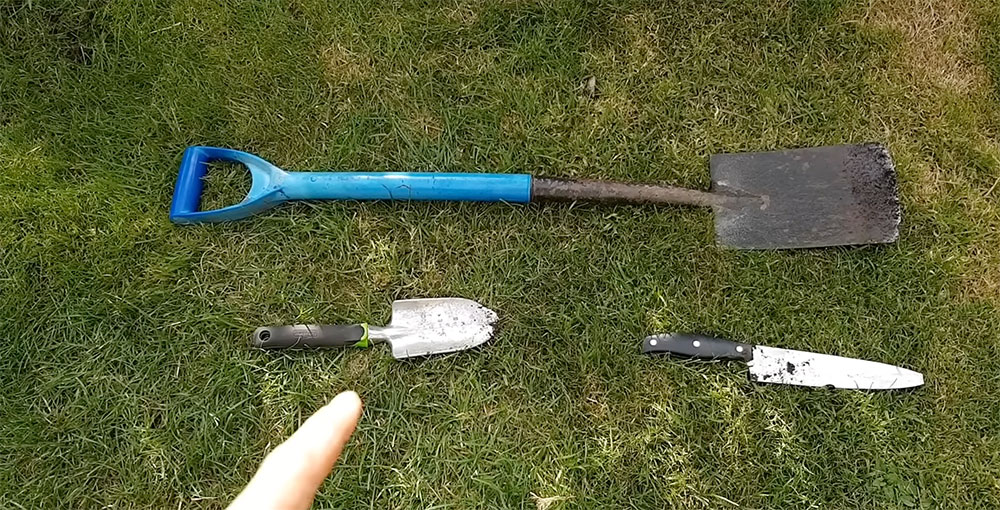
Before you begin, make sure you have the right tools and materials on hand. Having everything prepared will make the process smoother and safer for both you and your plants. You’ll need:
- A border spade (for lifting the plant)
- A garden fork (to gently tease out roots)
- A sharp knife or pruning saw (for clean cuts)
- Moisture-retentive, peat-free compost
- Pots (2–3 litre size for new pups)
- Watering can with a fine rose attachment
- Optional: garden gloves for protection
How to Separate Banana Pups from the Parent Plant
Once you have your tools ready, you can begin dividing your banana plant. Here’s a step-by-step guide to doing it safely and successfully.
Step 1: Identify a Healthy Pup
Look for pups that are at least 30 cm (12 inches) tall and have several of their own leaves. Ideally, the pup should also show signs of developing its own roots. Smaller or weaker pups can be left to grow for another few months before attempting to divide them.
Step 2: Expose the Base
Using your spade or garden fork, gently remove some of the soil around the base of the banana plant so you can clearly see where the pup joins the main stem. This will help you locate the natural point of separation.
Step 3: Make a Clean Cut
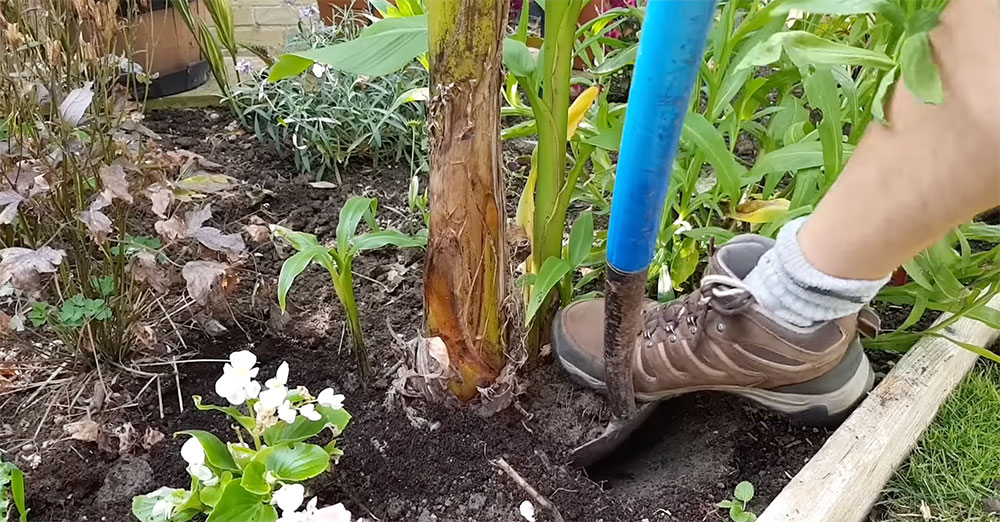
Using a sharp knife or spade, carefully cut between the pup and the parent plant. Try to include as much of the pup’s root system as possible. A knife gives you more control for precise cuts, while a spade is useful for larger, tougher plants. Be patient here — banana roots can be fibrous, and rushing the process can damage them. Aim for a firm but careful motion, keeping the cut as clean as possible to reduce stress on both plants.
Step 4: Lift the Pup
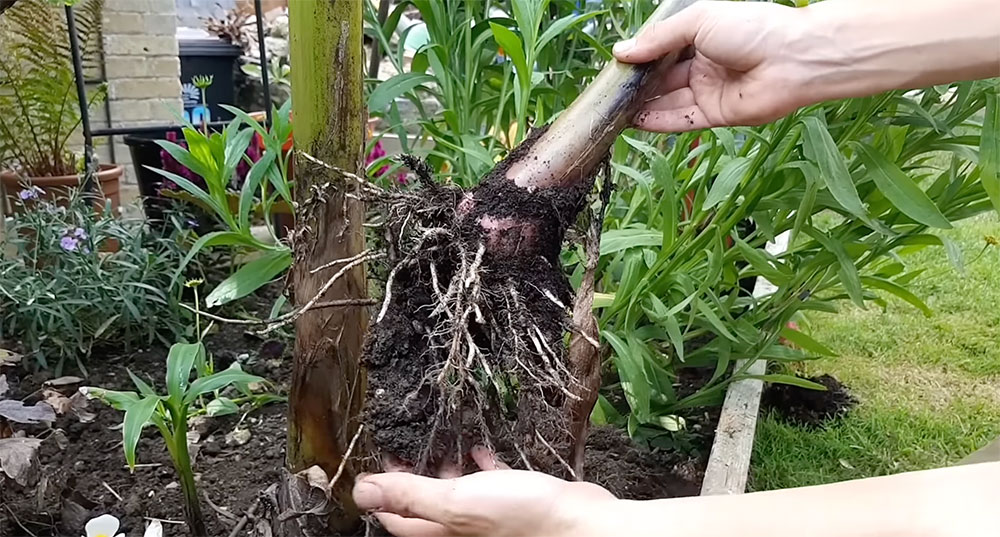
Once you’ve made your cut, use a garden fork to lift the pup gently from the ground. The fork helps to loosen the soil without cutting through roots, giving you the best chance of lifting it with its roots intact. Try to keep as much of the root ball attached as you can. Don’t worry if the pup doesn’t have many roots — banana pups are resilient and will usually grow new ones quite quickly once potted up. It may just take them a little longer to establish.
Potting Up Your New Banana Plants
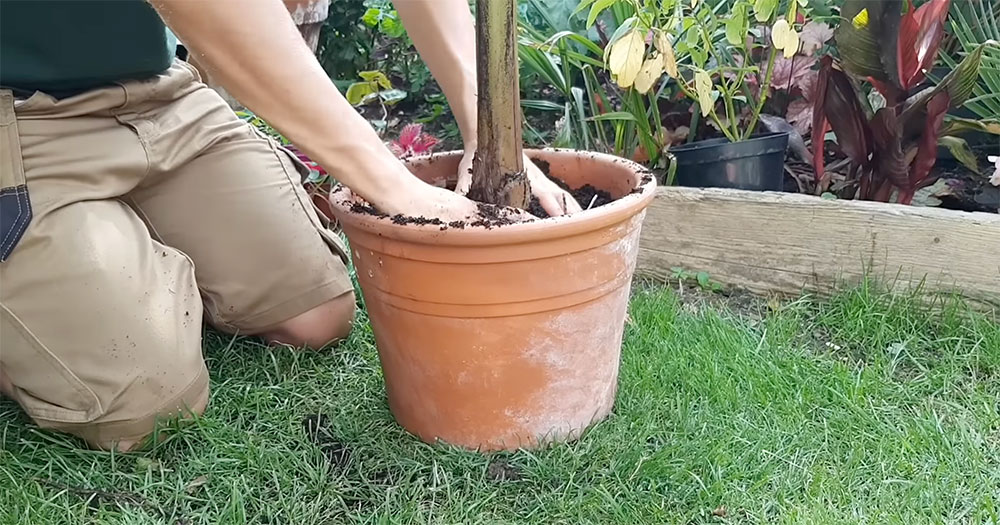
Once your pups are separated, it’s time to pot them up. Choose a 2–3 litre pot for each new plant. This size is ideal because it gives enough space for root growth without overwhelming the young plant with too much compost. Using a pot that’s too large can make it difficult to manage watering correctly. Fill the pot with a rich, peat-free, moisture-retentive compost. A good quality multi-purpose compost is perfect for this. Bananas are heavy feeders and thrive in nutrient-rich soil. Place your pup into the pot, positioning it so that the base of the stem sits about 2–3 cm below the soil surface. Gently backfill around it, firming the compost down lightly to remove air pockets. Be careful not to bury the stem too deeply, as this can cause rot.
Watering and Aftercare
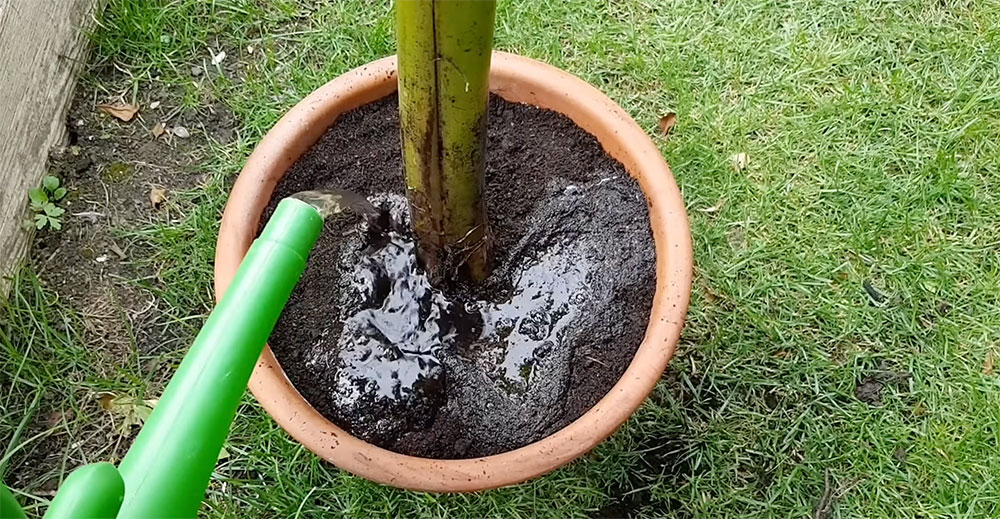
Once your banana pups are potted, water them thoroughly. This helps settle the compost around the roots and prevents air gaps. If the compost was already damp, water lightly – you don’t want to make it soggy.
Watering in Autumn
If you’ve divided your bananas in autumn, they’ll be entering a resting period. Keep the compost slightly moist but not wet. Overwatering can lead to root rot, especially when temperatures are cool. Water about once a week or once a fortnight, depending on the indoor temperature and humidity. Place your potted pups in a bright, frost-free location, such as a conservatory or sunny windowsill. They won’t grow much over winter, but this resting period is important for developing strong roots.
Watering in Spring and Summer
If you’ve divided your bananas in spring, they’ll quickly begin growing as temperatures rise. Keep the compost consistently moist, but again, avoid waterlogging. During hot spells, you may need to water every couple of days. You can also start feeding your young plants once they show signs of new growth. Use a balanced liquid fertiliser every few weeks to encourage lush, green leaves.
When to Plant Out Your New Banana Plants
Even though some bananas, like Musa basjoo, are hardy, it’s still best to wait until mid to late spring before planting them outdoors. This ensures that the risk of frost has completely passed. Planting too early can set your plants back, as cold soil and sudden frosts can damage young roots and leaves. By waiting, you’ll give them the best chance to establish quickly and grow into large, impressive specimens by summer. When planting out, choose a sunny, sheltered spot. Banana plants love warmth and humidity but dislike strong, drying winds. Dig a generous hole and mix in some organic matter such as well-rotted compost or manure to enrich the soil. Water well after planting and continue watering regularly during dry periods.
Growing Bananas in Pots
If you don’t have space in the ground, banana plants grow beautifully in large pots or containers. This is a great option for patios, balconies, or smaller gardens. Bananas in pots dry out more quickly than those in the ground, so regular watering is essential — sometimes daily in hot weather. During the growing season (April to September), feed them weekly with a high-nitrogen fertiliser or liquid seaweed feed to support lush foliage growth. Because banana leaves are large, they can catch the wind easily. This can make tall potted bananas unstable. To prevent your pots from toppling, choose heavy containers with wide, flat bases. Square pots, large troughs, or even half-barrels are ideal. In winter, move potted bananas to a sheltered spot ormolu more tender species into a greenhouse to protect them from frost. Reduce watering and allow the plants to rest until spring.
Best Banana Species for Home Gardens
If you’re new to growing bananas, here are three species that are perfect for UK gardens and beginners alike:
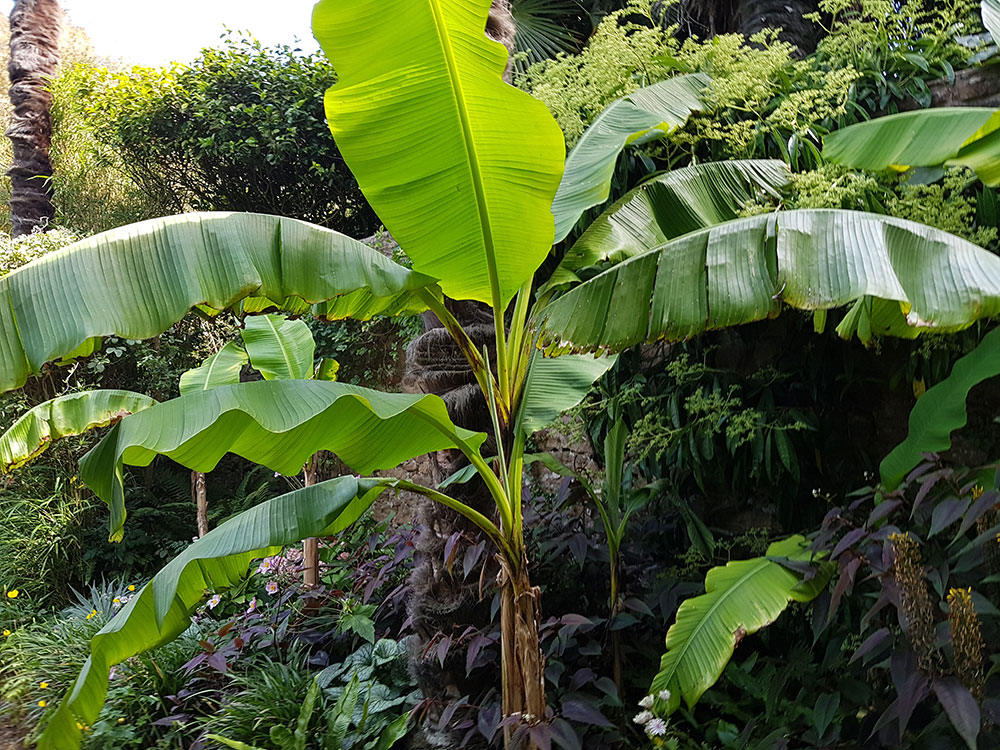
1. Musa basjoo (Japanese Banana)
The most cold-hardy banana species.Can survive temperatures down to around -10°C with proper protection.Produces large, tropical-looking leaves and can grow up to 3 metres tall.Ideal for creating an exotic jungle-style garden.
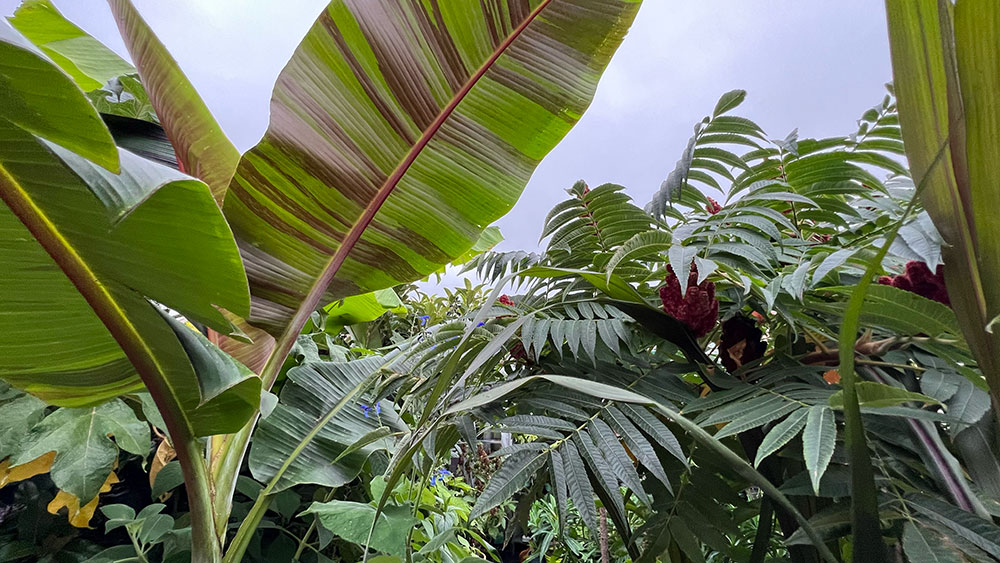
2. Musa sikkimensis (Darjeeling Banana)
Slightly less hardy than Musa basjoo but still resilient in mild areas.Features striking red and green foliage.Grows quickly in warm conditions and makes a bold statement in borders or large pots.
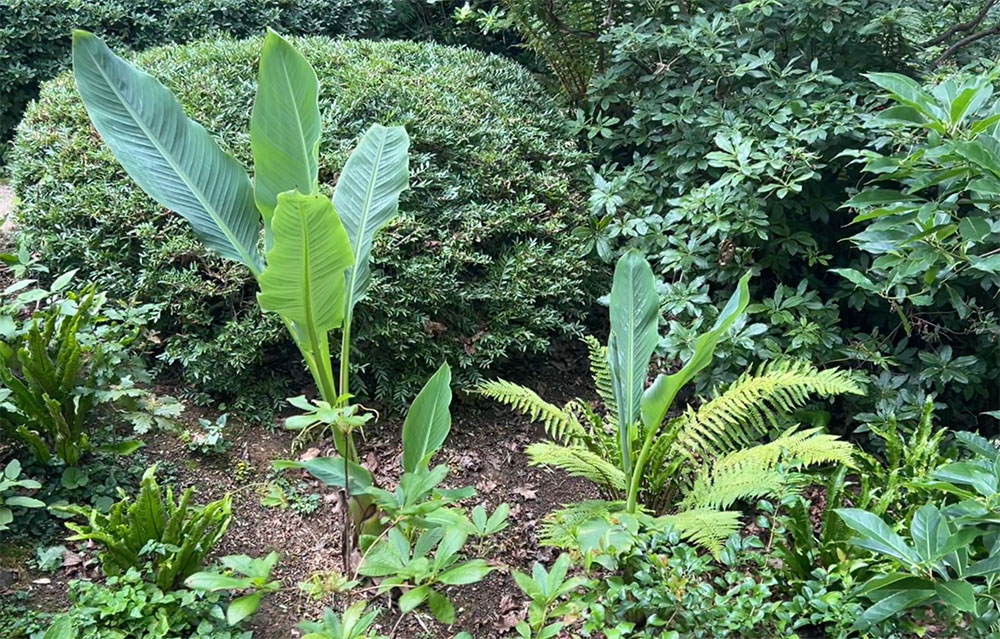
3. Musella lasiocarpa (Chinese Yellow Banana or Golden Lotus Banana)
Compact species, ideal for pots or smaller gardens.Produces beautiful, lotus-like yellow flowers in mature plants.Prefers warm, sunny conditions and protection from frost.
Final Tips
Always use sharp, clean tools when cutting banana pups to prevent disease.Don’t rush to divide very small pups — let them grow stronger first.If your banana leaves become tattered by wind, simply trim them back; new leaves will soon replace them.Keep an eye out for slugs and snails, which can damage tender new growth.With patience and care, each pup will grow into a magnificent plant that brings a tropical feel to your garden year after year.